Green Olive Types
Green olives are one of those seemingly simple items that offer a surprising range of choices. If you’ve ever puzzled why certain green olives taste buttery and mild while others taste salty, harsh, or briny, the explanation is typically in the types of green olives themselves. distinct olive types, curing procedures, and regional traditions offer extremely distinct eating experiences.
In this tutorial, we’ll walk through the main types of green olives, how they differ, and how to choose the ideal one for snacks, salads, charcuterie boards, and cooking. Understanding types of green olives can be a great help when shopping and cooking, whether you are a beginner in the world of olives or a lover of Mediterranean food.
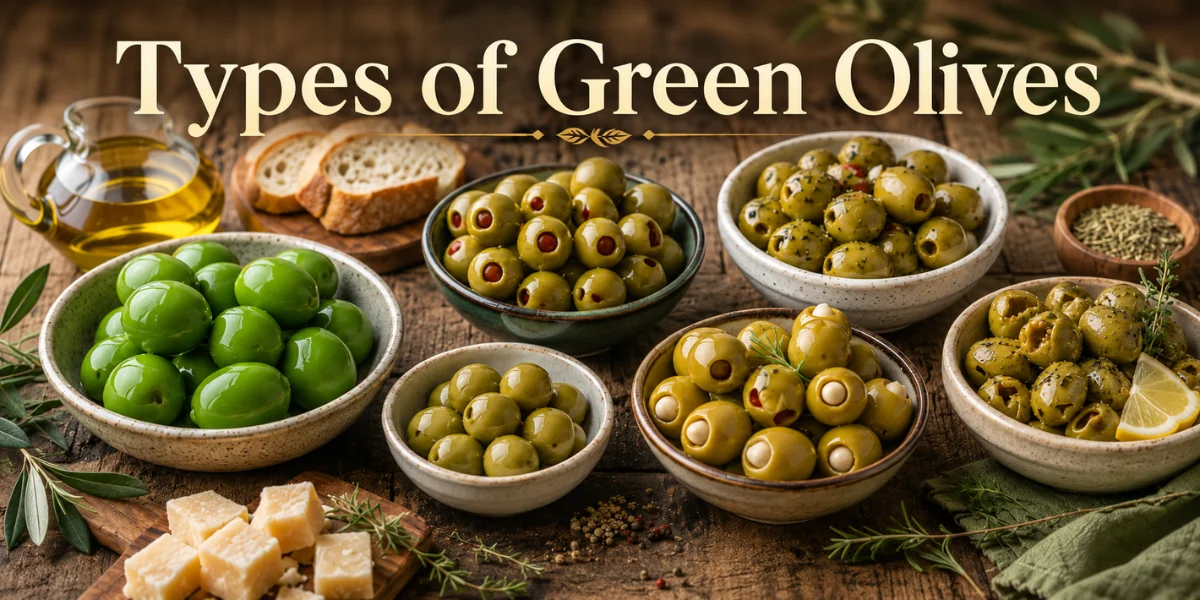
Varieties of Green Olives
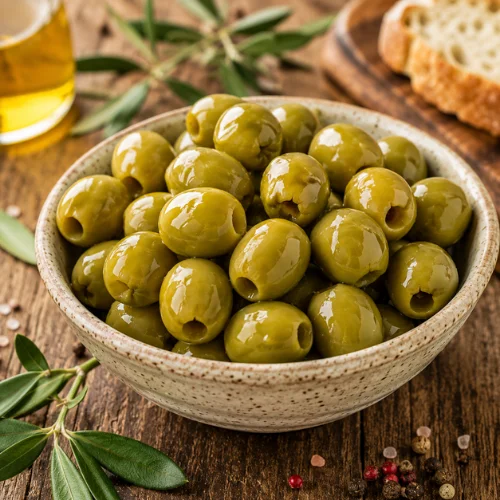
The term ** varieties of green olives ** simply refers to the many types of olives that are plucked before they are ripe and preserved while still green. These olives might differ in size, shape, firmness, flavor, and saltiness. Some are made for nibbling, others are excellent for recipes that need a powerful olive flavor.
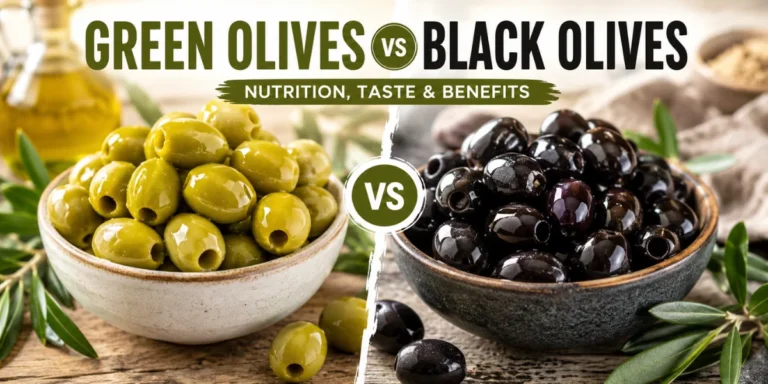
People often question ** what are green olives ** because they are interested in the difference between green olives and black olives or other varieties of olives . Green olives tend to be harvested sooner than darker olives, so they have a firmer texture and a more punchy flavor. That is why the world of olive varieties is so exciting, one jar of olives might taste soft and buttery, while another can be sharp, salty, or acidic.
The Different Types of Green Olives
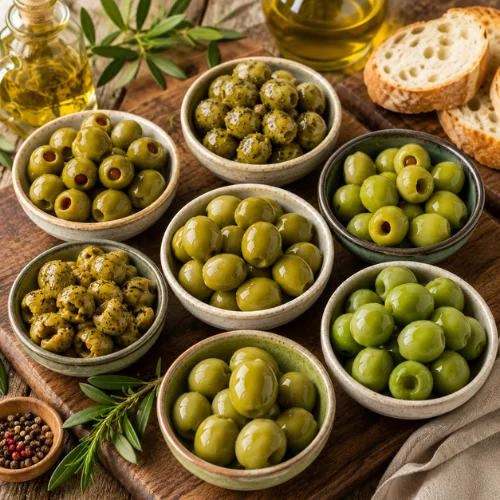
There are many types of green olives because of where they grow, when they are gathered, and how they are cured. Climate, soil, harvest time, and processing all play a role in the ultimate flavor. This is why there can be huge variations in green olives even if they look comparable on the shelf.
In short, the reasons why olives differ are nature and the way they are prepared. Some types are mild by nature, some are robust and bitter, and some are selected for their good shape after curing. The consequence is several types of olive varieties that have various uses in cooking and snacking.
1.Castelvetrano Olives – Green, Sweet & Buttery
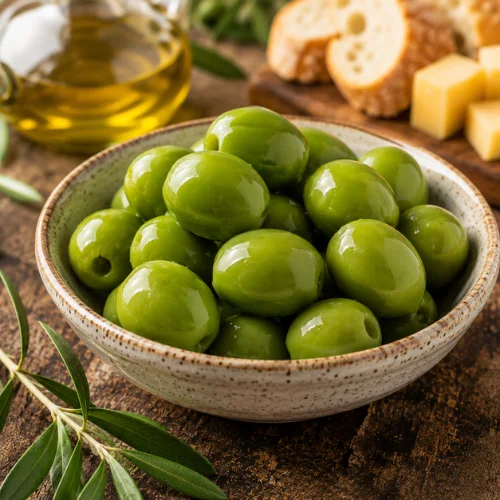
Castelvetrano olives are among the most popular green olive varieties because they are bright, mellow, and buttery. They are delicious, even if you are not normally an olive fan, soft in the bite, and pleasingly sweet. Many people think of them as the entry-level olive for beginners.
These olives are often referred to as sweet green olives and buttery olives, which is why they are so popular on cheese boards and snack platters. Castelvetrano olives are generally near the top of the list for the best olive to serve with bread, cheese, or wine. This one is by far the smoothest in flavor and easiest in texture of all ** varieties of green olives .
2.Manzanilla, Spanish Green Olives, Classic Type.
One of the most famous types of green olives from Spain is Manzanilla. They are small and firm, somewhat salty, and a typical choice for regular dining. Commonly known to many as the regular olive in jars, tapas, and party trays.
These olives are often mistaken for Spanish olives and are marketed as stuffed green olives with pimentos, garlic, or cheese. They are good for salads, drinks, and simple snack plates because they are nicely balanced in flavor. If you want a classic olive that can go practically anywhere, Manzanilla is one of the most useful types of green olives to maintain in your kitchen.
3.French Style Olives Picholine Green Olives
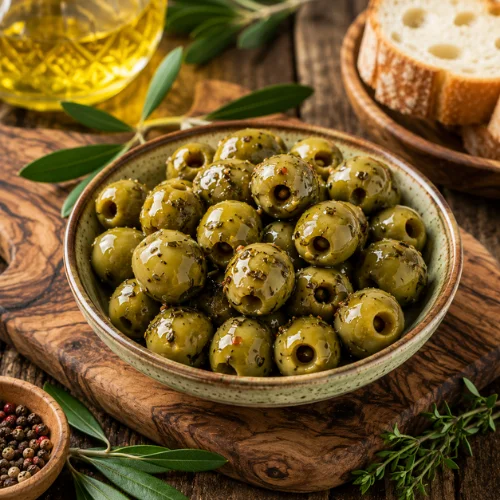
Another notable variant in the family of types of green olives is the picholine olive. They originate from France and are recognized for their crisp texture and somewhat nutty flavor. They have a little more bite than some olives, which is why individuals who like a clean bite love them.
These are commonly termed French olives or French-style olives and are a superb example of crisp green olives that nevertheless have a distinct olive character. Picholine olives are very good in salads, roasted dishes, and on sophisticated starter platters. If you are looking for something refined yet still tasty, this is one of the greatest **types of olives green **to try.
4.Stuffed Green Olives Cheese, Garlic & Pepper Fillings.
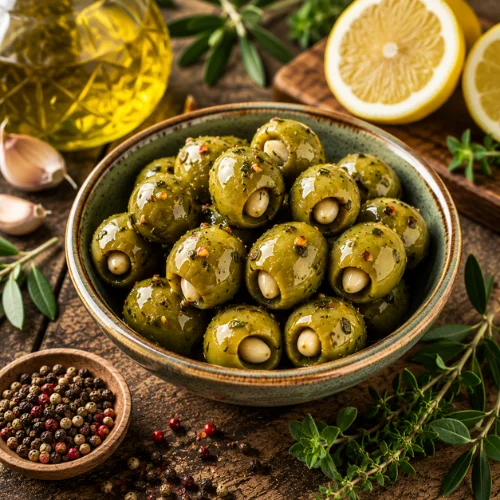
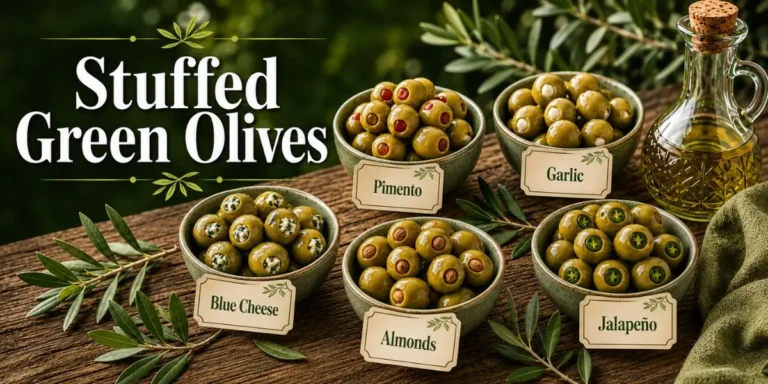
Not all varieties of green olives are available simply. Some are made as stuffed green olives, meaning they are stuffed with ingredients like pimento, cheese, garlic, nuts, or peppers. They are quite popular since they add extra flavor without any further preparation.
When it comes to quick green olive snacks, stuffed olives are typically the simplest choice. They are ideal for parties, lunch boxes, and snack boards because they already offer a blend of salt, texture, and fullness. If you want olives that feel a bit more thrilling, olives with filling are a wise choice among the many kinds of green olives.
5.Green olives, brined – the most common type.
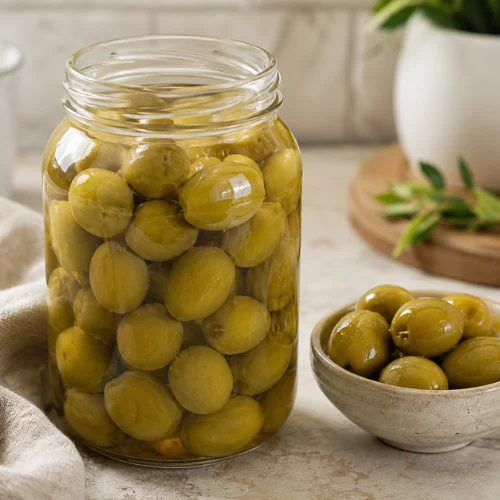
Brined olives are one of the most frequent green olive types you’ll find in supermarket stores. Brining involves keeping the olives in salty water, which helps preserve them and reduce bitterness. This method also gives them a familiar salty, savory taste.
Often, it’s the brined olives that get used for cooking, adding a clean, salty taste to many recipes. They are also a wonderful example of briny green olives that pair well with pasta, pizza, rice, and Mediterranean dishes. People seek cured olives with a simple flavor, brined kinds are typically the answer.
6.Mediterranean Green Olives, Cracked and Stuffed
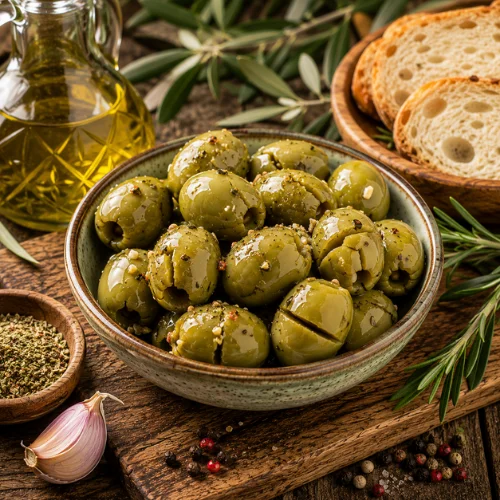
Cracked olives are a more traditional style of **types of green olives. The olives are slightly fractured before curing, so the brine can penetrate the fruit more thoroughly. This helps them to absorb taste better and gives them a richer, more rustic character.
These cracked green olives are typically used in traditional-style Mediterranean olive dishes. They are especially popular in areas where olive curing methods have been passed down through generations. If you enjoy olives that taste homemade, earthy, and flavorful, you will love cracked olives.
The Flavor of Different Green Olives
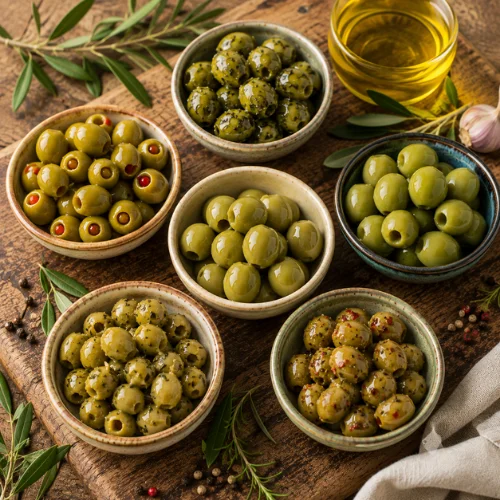
The taste of green olives depends on the variety and the method of curing. Some olives are gentle and buttery; others are pungent, salty, or somewhat bitter. That’s why folks often need a little help choosing the right jar.
If you like salty olives, brined and stuffed olives are probably for you. If you prefer something softer and kinder, Castelvetrano is a good choice. For a more solid and flavorful bite, choose the stronger Manzanilla or Picholine. All ** varieties of green olives ** might have a flavor profile that ranges from smooth and mellow to strong and salty .
Many people are astonished by the many differences among olives. That is why it is helpful to consider bitter olives versus mild ones before you purchase. Once you understand the flavor distinctions, you can pair the proper olive to the dish you are creating.
Types of Green Olives and How to Use
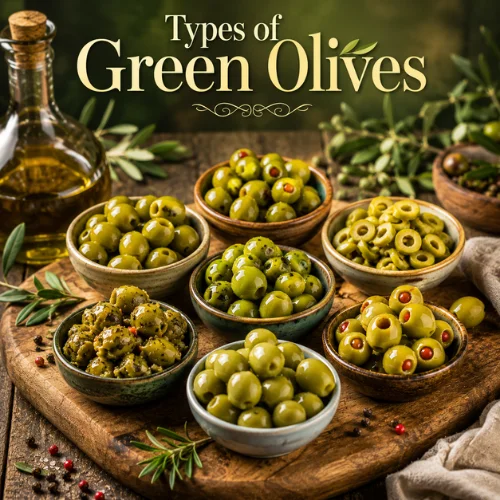
One reason people appreciate green olives is their versatility. You can eat them on their own, add them to salads, use them in spaghetti, or include them in a snack spread. They are very good with Mediterranean-style cuisine.
For salad olives, choose Picholine and Manzanilla, both of which keep their firmness and add a sharp, salty taste. If you’re cooking pizza, pizza olives usually mean brined or mildly salty olives, chopped so they balance the sauce and cheese. Snack olives and stuffed olives are easy winners for a party tray.
What’s great about types of green olives is that they may work for both simple and elaborate dinners. You can retain a milder olive for nibbling and a more briny one for cooking. This means that you have more control over the flavor in your cooking.
Green Olives Health Benefits
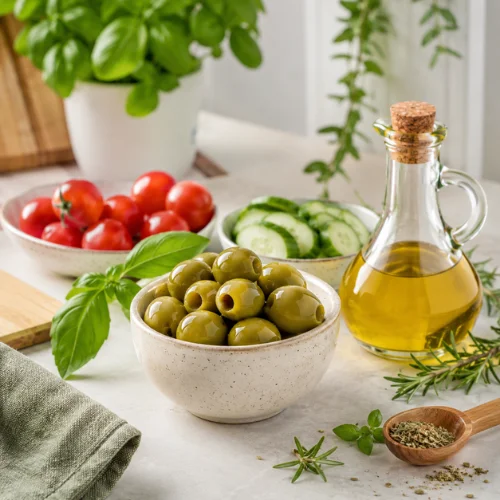
Many individuals enjoy green olives not just for their taste, but also because they are part of a Mediterranean-style eating pattern. Green olives are rich in olive antioxidants and are known to provide the healthy fats that olives are known to provide. One reason they show up so regularly in balanced meals is that.
The phrase ** green olives health benefits ** is generally used to describe the fact that the fats that are present in olives may aid to make meals more satisfying . They are also a tasty way to add richness without heavy sauces. varied types may have varied salt levels, naturally, so moderation still counts.
If you want food that is both tasty and useful, olives are a good choice. This is another reason why ** varieties of green olives ** are still a popular food item in many cuisines , not only they are good for your health .
Choosing the Best Types of Green Olives.
The best green olives for you will depend on what you want to use them for. If you are building a charcuterie board, Castelvetrano or stuffed olives may be the most eye-appealing option. If you want something for salads, Picholine or Manzanilla would be better choices.
A simple shopping tip for ** olives ** is to think about flavor , texture , and use first . Salty or mild? Hard or soft? Snack or cooking olive? That’s really how to pick olives without overthinking it.
Knowing your preference makes it easy to choose among the types of green olives. For sweet and buttery, go for Castelvetrano. If you want classic Spanish flavor, go with Manzanilla. If you want something fresh and French, Picholine is a fantastic pick.
Tips for Storing Green Olives
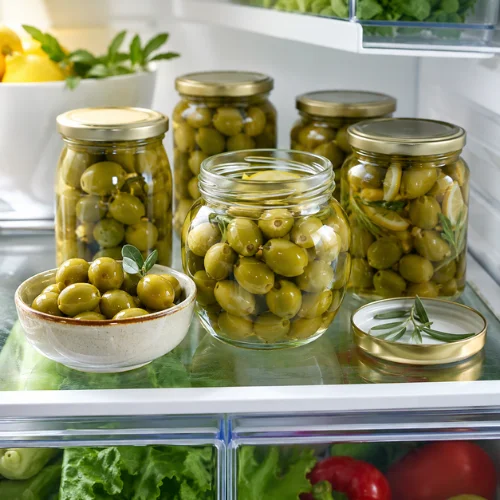
Types of green olives. Proper storage keeps green olives fresh and tasty. If the seal is broken or missing, do not use. Store in a cool, dry location if unopened. Once opened, leave the olives in their brine and refrigerate them.
The type of olive preservation is significant as it protects taste and texture. The brine is a preservative for the olives, so don’t discard it unless the recipe says to. Proper brine storage also reduces the risk of the olives drying out.
Always use a clean spoon or fork when removing olives from the container. That little routine will keep your green olives fresher longer. It’s an easy approach to avoid spoiling and keep the best flavor.
Errors To Avoid When Buying Green Olives
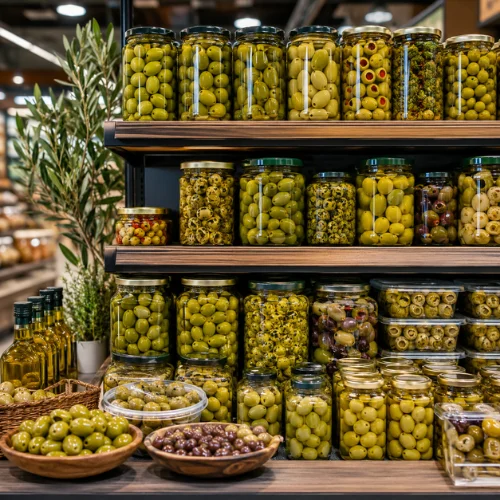
Many people think that all types of green olives are the same. They don’t. Some are mild, some are salty, and some are loaded with added substances that drastically alter the taste.
Another issue is buying jars of bad quality without verifying the label. Sometimes people don’t pay attention to how much salt is used, what kind of curing is used, or whether the olives are whole, sliced, or pitted. These olive buying mistakes can result in a jar that won’t fit your recipe.
Also, be sure to look for symptoms of low-quality or bad olives, including an extremely dull taste, a weird scent, or an awful texture. If you pay attention to the subtleties, it’s a lot easier to find decent types of green olives that genuinely taste fantastic.
Summary
There are many kinds of green olives, each with its own flavor, texture, and use at the table. There is even more diversity with the mild, buttery Castelvetrano, the classic, salty Manzanilla, the crisp, delicate Picholine, and the stuffed or brined varieties. Once you get the main green olive varieties, it becomes much easier to decide on the right one.
Whether you’re putting together a snack plate, creating a salad, or cooking Mediterranean meals, the correct olive may make a big difference. Learning about the types of green olives can assist you in shopping better, preparing better, and enjoying olives with greater confidence. It also helps to pair the perfect olive with the correct meal, which is essentially what excellent food choice is about.
For the most practical takeaway, begin with one mild olive, one salty olive, and one stuffed olive. This is a great start to delving into other types of green olives and finding your own favorite.