Green Olive Nutrition Facts: Calories, Benefits & Full Guide
Tiny green fruits that grow on olive trees, green olives are enjoyed worldwide. Many individuals seek green olive nutrition facts to learn whether these olives are healthy, how many calories they contain, and how they affect the body.
Green olive nutrition facts are the nutritional details of these little fruits. This includes calories, fats, carbohydrates, protein, sodium, and health benefits.
Green olives are not sweet, like apples or grapes. They are salty, hard, and slightly bitter. This is because they are plucked early and treated in salt water.
In this article, we will explain green olive nutrition facts and green olives advantages in very easy way so that anyone can understand. We will also discuss the health benefits, side effects, advantages and how they work in a daily diet.
What Are Green Olives?
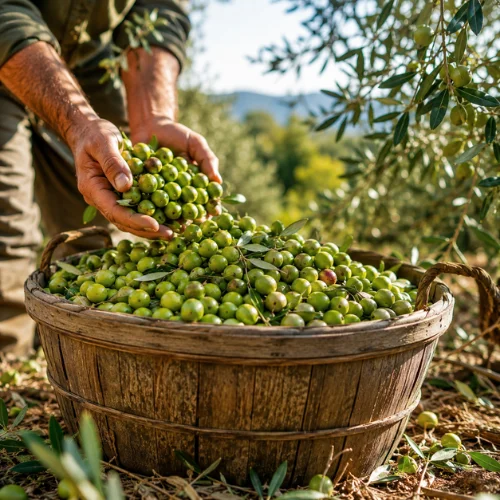
Green olives are not ripe; they are harvested while still immature. Early picking produces a robust flavor and a hard texture.
Fresh olives are inherently highly bitter and cannot be eaten straight off the tree. They are steeped in brine (salt water) to make them edible.
When individuals look for green olive nutrition facts, they’re likely interested in what sets these olives apart from other foods.
Commonly used green olives in:
- Salads
- Pizza
- noodles
- Sandwiches
- Snack platters
Knowing green olive nutrition facts helps people decide how often they should eat them.
Basic Green Olive Nutrition Information
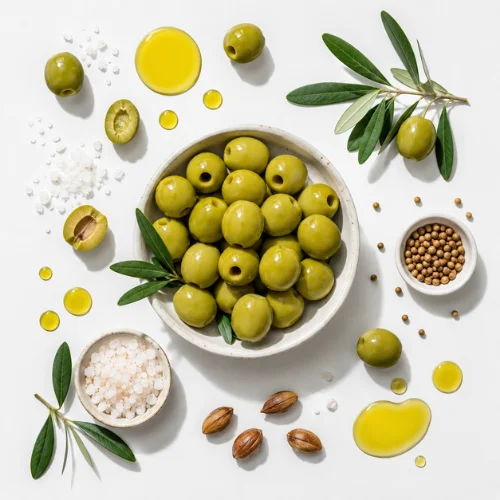
Looking at green olive nutrition facts, it is clear they are not like other fruits.
They have:
- Good fats
- Very low carbohydrates
- Small protein
- Fiber
- Salt
- Very low sugar
So when we talk about green olive nutritional value, we are mostly talking about healthy fats and salt content.
Green olives are part of the Mediterranean diet, one of the healthiest eating regimens in the world. That is why green olive nutrition facts are always a hot topic in health talks.
Green Olive Calories
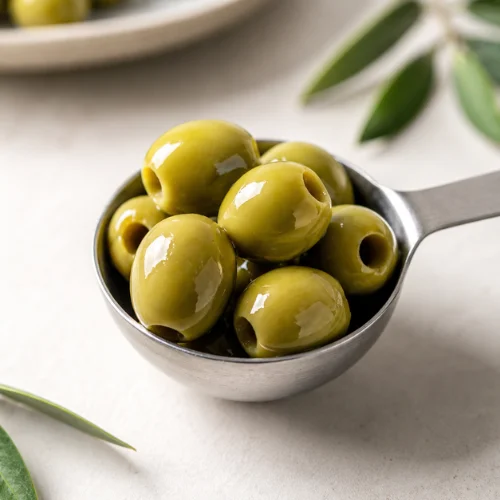
Calories are one key part of green olive nutrition facts.
Green olives are low-calorie. A small portion (5 to 10 olives) often contains about:
👉 25–60 calories
That’s why so many people eat olives as a snack.
But portion control is vital even in green olive nutrition facts. Eating too many olives might gradually boost your calorie intake.
So, always remember: low calories are not an invitation to endless eating.
Green Olive Nutrition
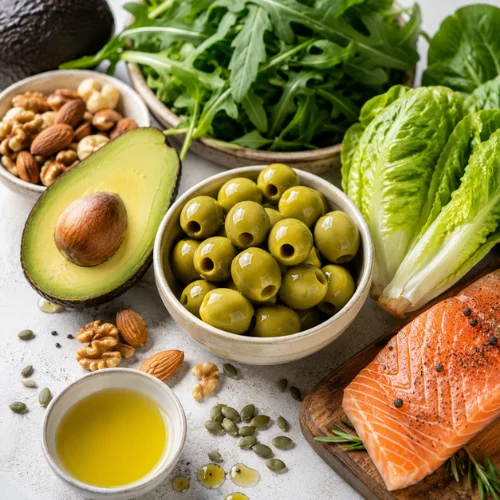
Carbohydrates are another significant aspect of green olive nutrition information.
Green olives are fairly low in carbohydrates. And this makes them good for low-carb diets and keto diets.
Most of the carbohydrates are fiber, not sugar.
So when individuals look at olive nutrition facts, they are often glad to see that olives do not spike blood sugar levels quickly.
Green Olives Fat Content
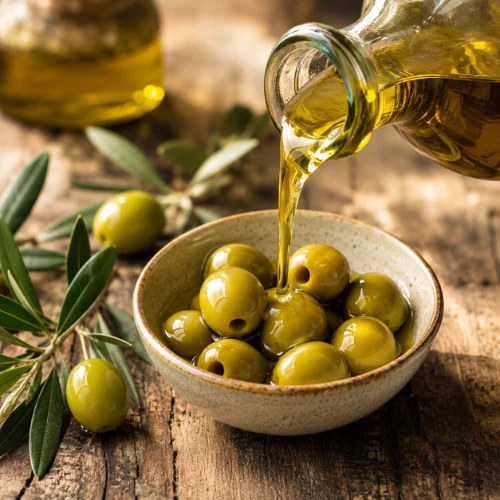
Green olive nutrition facts primarily focus on healthy fats.
Green olives are high in monounsaturated fats. These are “good fats” that assist the body.
They can:
- Support a healthy heart
- Reduce appetite
- Give energy
- Increase fullness
So in green olive nutrition facts, fat is the beneficial part – not something to avoid.
Protein from Green Olives
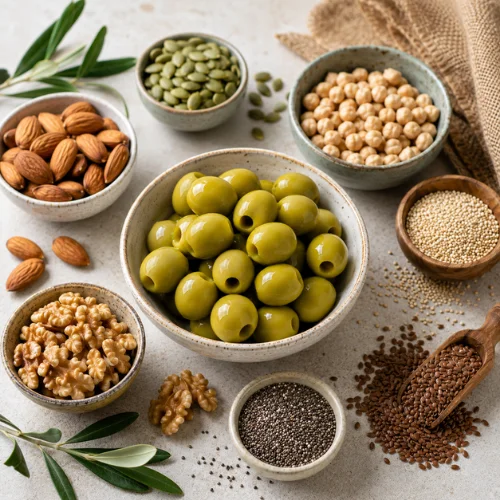
Protein is a minor proportion of green olive nutrition facts.
Green olives are low in protein. There is only a little bit in them.
That’s why olives are not used as a protein food. They provide taste and healthful fats.
So don’t expect green olive nutrition facts to tell you that olives can substitute for protein sources like eggs or beef.
Sodium in Green Olives
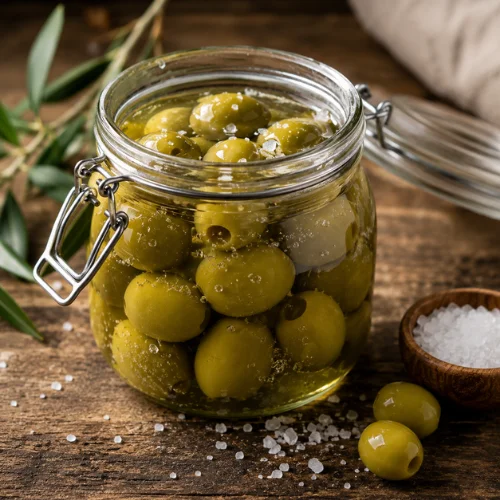
Sodium is very important in green olive nutrition facts.
Green olives are kept in brine, a saline solution. That drives up salt levels.
Excess sodium can:
- Raise blood pressure
- Make one thirsty
- Leads to bloating
That is why the nutrition facts for green olives always highlight salt as a warning.
👉 Tip: Rinse olives in water to make them a little less salty.
What Are the Main Advantages of Green Olives?
What Are the Main Advantages of Green Olives?
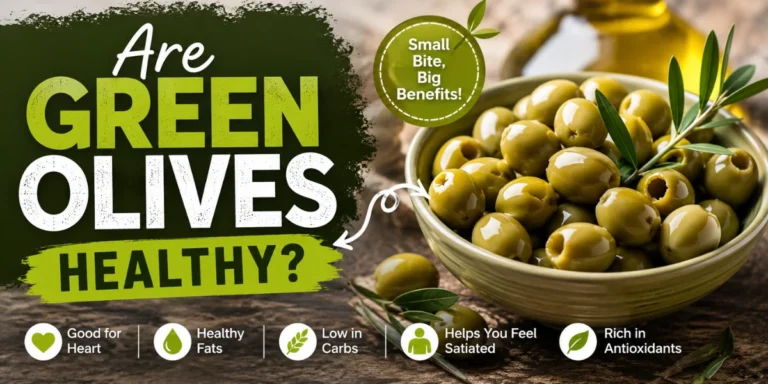
The main advantages of green olives come from their healthy fats, low sugar content, and versatility. They can add flavor and useful nutrients to meals without requiring large portions.
Green olives contain monounsaturated fats. Replacing saturated fats with unsaturated fats may support healthier cholesterol levels and heart health and many benefits of eating green olives.They are also relatively low in carbohydrates, making them easy to include in many balanced eating plans.
Another advantage is that green olives can make salads, sandwiches, pasta, and snack plates more satisfying. Their strong flavor means a small serving may be enough.
However, most green olives are preserved in salty brine. Check the nutrition label, control your portion, and rinse them before eating when you want to reduce some surface salt.
Green Olives for Weight Loss
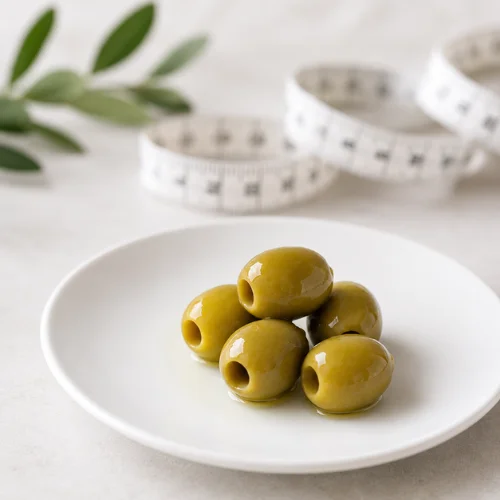
Many people are looking for green olive nutrition facts for weight loss.
Green olives are useful because:
- They cut hunger
- They control the snack
- They offer healthful fats
But they don’t solve the problem of losing weight on their own.
Green olive dietary data are supportive, not magic outcomes.
Green Olives Against Diabetes
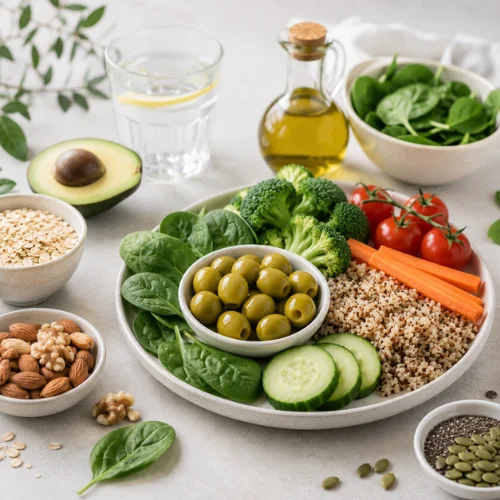
Another reason individuals search for green olive nutrition facts is to support diabetes management.
Green olives are low in sugar and low in carbohydrates. This makes them a great addition to many diabetic diets.
So green olive nutrition facts demonstrate that olives can be included in diabetic-friendly diets.
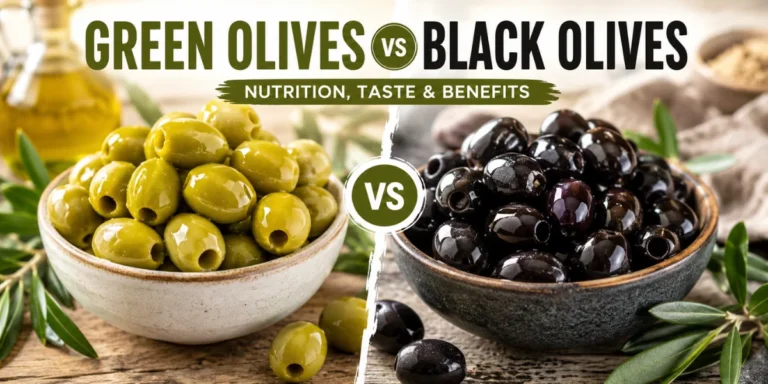
Green and Black Olives
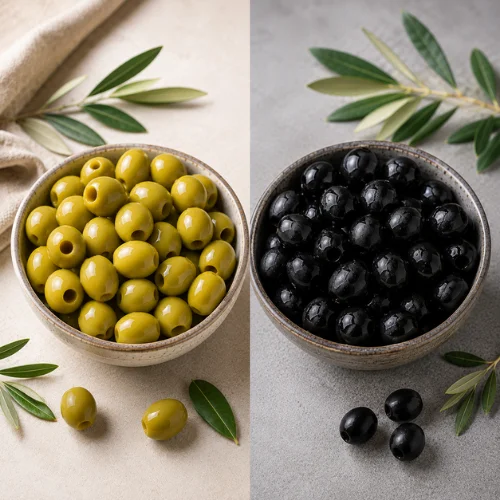
When we compare green olive nutrition facts, we also compare black olive nutrition facts.
Green olives:
- Strong flavor
- Firm mouthfeel
- Not as ripe
Black olives:
- Mild flavour
- Texture soft
- Ripe for the picking
Possible Side Effects
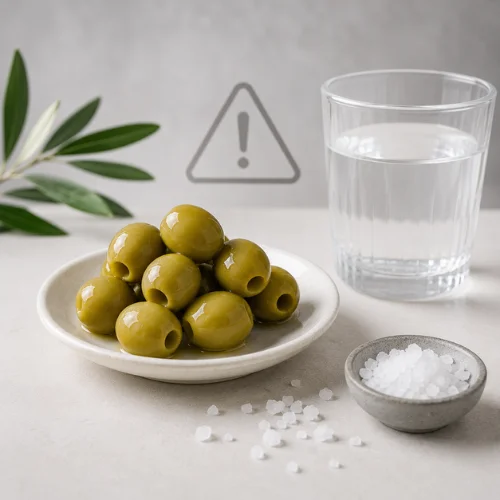
Even green olive nutrition facts have certain adverse effects when taken in excess.
- Excessive salt consumption
- Dehydration
- Minor bloating
How Many Green Olives Should You Eat?
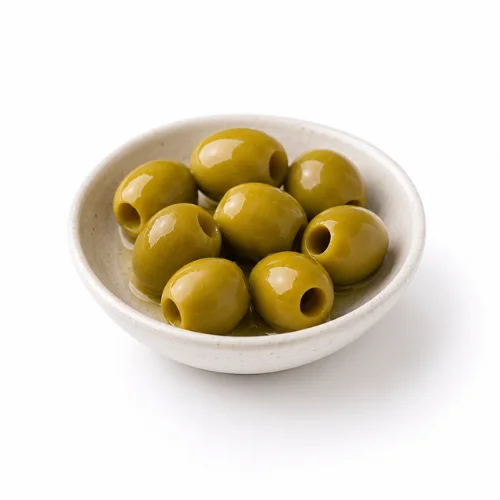
According to green olive nutrition facts, a good amount is:
👉 5–10 olives a day
More than plenty for taste and health benefits.
Green olives are healthy but should be eaten in moderation. A safe amount is about 5 to 10 olives per day. They provide good fats but are high in sodium, so eating too much is not good. Small portions help you enjoy the benefits without any side effects.
Best Ways to Eat Green Olives
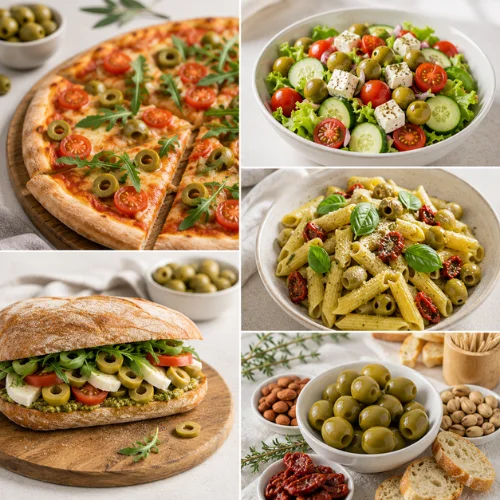
Pizzas
Salads
Noodles
Sandwiches
Snack plates
Green olives can be enjoyed in many simple and tasty ways. They have a salty, slightly tangy flavor that makes them perfect for adding extra taste to everyday meals.
One of the most popular ways to eat green olives is on pizza. They mix really well with cheese, tomato sauce, and other toppings, making the pizza more flavorful and rich in taste.
Green olives are also widely used in salads. They go perfectly with fresh vegetables like lettuce, cucumber, tomatoes, and onions. Adding olives makes the salad more healthy, filling, and Mediterranean-style.
You can also add green olives to pasta or noodles. They give a strong and unique flavor that improves simple dishes and makes them more delicious.
Another great option is using green olives in sandwiches and wraps. They add a crunchy texture and salty taste that works well with cheese, chicken, or vegetable fillings.
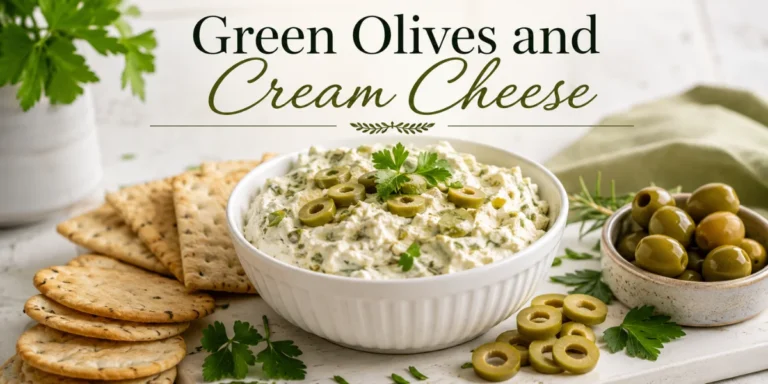
Green olives are also commonly served on snack plates. They are often combined with cheese, nuts, and crackers, making them a healthy and easy snack option for any time of the day.
Overall, green olives are very versatile. You can easily include them in your daily meals to improve both taste and nutrition.
Summary
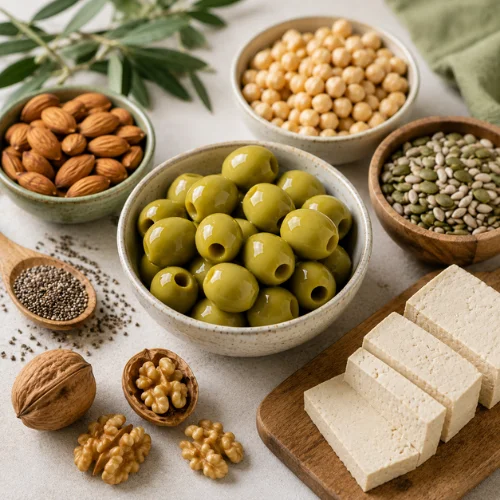
If we look at green olive nutrition facts, we can clearly see that green olives are a healthy, easy, and natural food.
They have healthy fats, minimal carbohydrates and low sugar, making them an excellent choice for many diets. But green olive nutrition facts also show that sodium is high; therefore, we should not consume too much.
The bottom line about green olive nutrition facts is this:
👉 They are good in modest amounts. They are great as a side meal, not main food. They do well on a balanced diet.
Green olives can be a delightful and healthy addition to your daily life, provided you use them carefully.