Green Olives vs Black Olives: Nutrition, Taste & Benefits
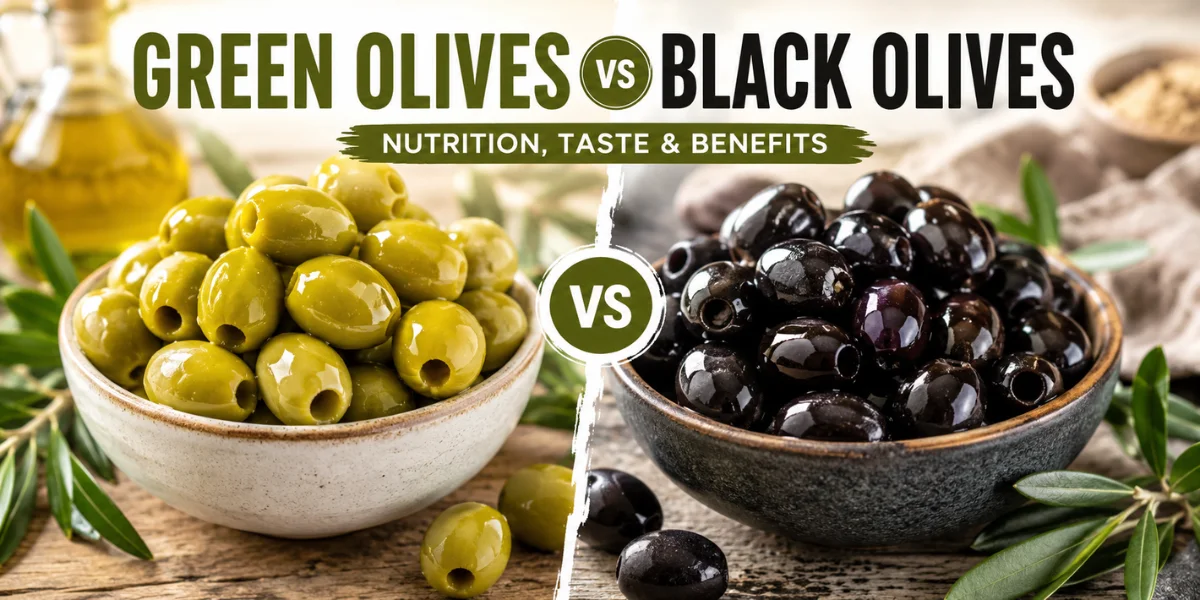
Green olives and black olives look different, but they’re not entirely distinct varieties. Both come from olives. The main differences usually lie in when they are picked, how they are cured, how they taste, and how they are used in food
Green olives are typically picked before they are fully ripe. They taste harsher, saltier, and slightly bitter. Black olives are usually more mature. They are milder, softer-tasting, and less harsh.
But when people ask about green olives vs black olives, they usually want to know one thing: which one is better?
It depends on what you need it for. If you want bolder flavor, you’ll like green olives more. Black olives are better if you prefer a mild taste. Both can be good in limited amounts if health is a concern. Be mindful of the sodium, as many olives are packed in salty brine.
Let’s compare them in a straightforward approach.
Short Answer: Green Olives vs Black Olives
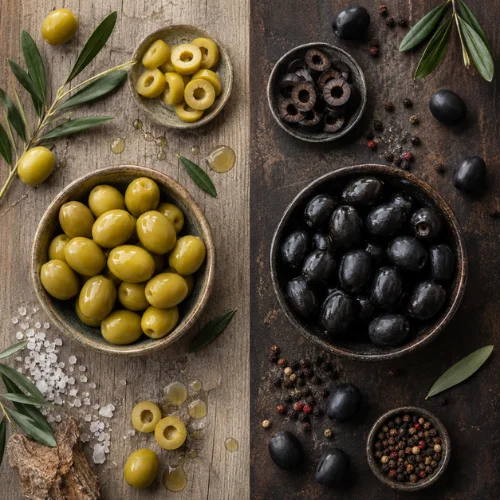
If you enjoy bold, salty, and sour tastes, green olives are better. They’re sturdy and work well in salads, snack plates, pasta dishes, and Mediterranean recipes.
Black olives are ideal if you enjoy a mellow, soft, less bitter flavor. They are common ingredients in pizza, sandwiches, salads, and pasta.
There’s good in both green and black olives, but the biggest decision isn’t just about colour. It’s more about the label. Some olives are very salty. Some are less salty. Some come in cans. Some come straight from the jar. Some are filled with garlic, cheese, or peppers.
So, if you are picking olives for health, look for these things:
Choose low-sodium olives when possible.
Eat a little bit, not the whole jar!
Look at the ingredients list.
Rinse particularly salty olives before eating.
Pick the flavor you will appreciate best.
The best olive is the one that fits your meal, your palate, and your health needs.
Green Olives vs Black Olives – Comparison Table
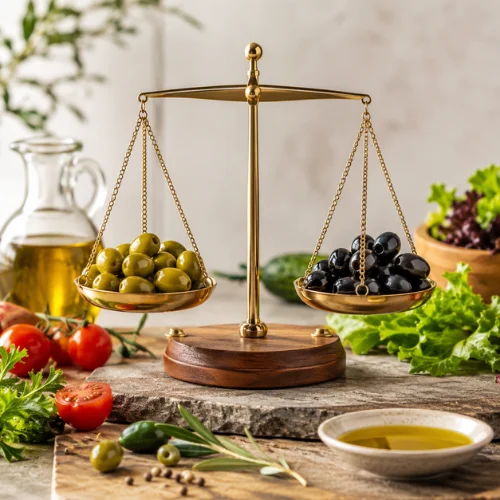
| Feature | Green Olives | Black Olives |
| Color | Green | Black, dark purple or brown |
| Ripeness | Harvested earlier | Harvested later or processed darker |
| Taste | Sharp, salty, tangy, slightly bitter | Mild, soft, earthy, less bitter |
| Texture | Firm | Soft |
| Sodium | High often from brine | Can also be high, depends on brand |
| Calories | Depends on type and serving size | Depends on type and serving size |
| Best for | Salads, nibbles, cheese boards, strong taste | Pizza, pasta, sandwiches, mild taste |
| Health point | Good fats but watch salt | Good fats but watch salt |
The table below shows the main differences between black and green olives. Keep in mind that olives can vary a lot depending on how they are cured and packed.
A green olive from one brand may be saltier than a black olive from another. A canned black olive can taste very different from a genuine black olive or a Kalamata olive.
So don’t judge the olive’s hue. If your main concern is health, always read the label.
7 Powerful Differences Between Green Olives vs Black Olives
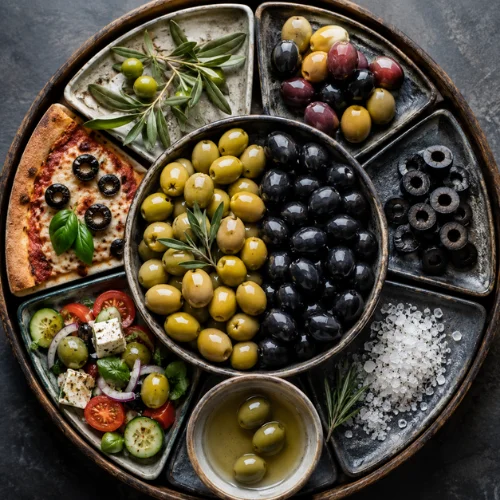
The main difference between green and black olives is ripeness. Green olives are picked before they are fully ripe, while black olives are usually picked when they are riper. This changes their color, taste, texture, and even how they are used in food.
Green olives are firm, sharp, salty, and a little bitter. Black olives are softer, milder, and smoother in taste. But not all black olives are the same. Some canned black olives get their dark color through processing. That is why they can taste very mild and soft compared to natural black olives or Kalamata olives.
Here are the 7 main differences between Green Olives vs Black Olives you should know:
1. Ripeness
Green olives are picked before they are fully ripe. This is why they are firmer and more bitter.
Black olives are usually picked when they are riper. This gives them a darker color and a softer bite.
2. Color
Green olives stay green because they are harvested early.
Black olives become dark because of ripeness or processing. Some are naturally dark, while some canned black olives are darkened during processing.
3. Taste
Green olives have a bold taste. They are salty, tangy, sharp, and a little bitter.
Black olives have a milder taste. They are smoother, softer, and less bitter.
4. Texture
Green olives are usually firm and chewy. They give a stronger bite when you eat them.
Black olives are usually softer. This is why they work well as toppings on pizza, pasta, and sandwiches.
5. Processing
Both green and black olives must be cured before eating. Fresh olives are too bitter to eat straight from the tree.
Green olives are often cured in brine, which gives them a salty taste. Some black olives, especially canned ones, may be processed to make their color darker and their taste milder.
6. Sodium
Both green and black olives can be high in sodium because they are often packed in salty brine.
If you are watching your salt intake, always check the label. You can also rinse olives before eating to make them taste less salty.
7. Best Uses
Green olives are best when you want a strong flavor. They work well in salads, snack plates, pasta salads, and Mediterranean dishes.
Black olives are better when you want a mild topping. They are great on pizza, pasta, sandwiches, wraps, and simple salads.
So, when comparing green olives vs black olives, do not just ask, “Which one is better?” Ask, “What do I need them for?”
Choose green olives if you want a bold and salty bite. Choose black olives if you want a soft, mild topping for pizza, pasta, or sandwiches.
Nutrition: Black Olives vs Green Olives
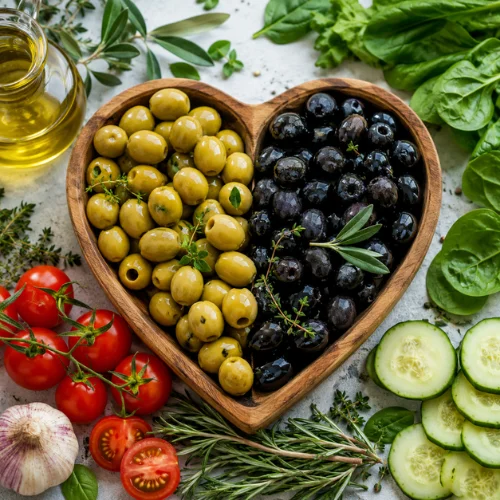
Both green and black olives are rich in heart-healthy fats. One reason olives are common in Mediterranean foods is their fat content.
Olives are also low in sugar. They’re usually low in carbohydrates as well. This is why so many people put them in low-carb meals, salads, snack plates, and keto diets.
But there is a hitch. Olives are high in salt. Salt is sodium. Olives are usually stored in brine, which is salt water. This helps to keep them fresh and adds flavor. But too much sodium isn’t good for many people, especially those managing their blood pressure.
So, sodium is one of the most crucial elements to consider when comparing the nutrition of green olives vs. black olives.
“Don’t just look at the calories. A small portion of olives may not be high in calories but can still be high in sodium.
Here’s what to look for on the label:
Portion size
Calories per serving
Total fats
Sodium
Carbohydrates
Fiber
Included ingredients
Green olives often taste saltier because they are cured in strong brine. Black olives, especially canned ones, can also be salty. So, the best choice depends on the brand and the serving size.
It’s good advice to rinse olives before you consume them. This may help wash some salty water off the outside. It won’t eliminate all the sodium, but it can make it taste less salty.
If you eat olives often, choose low-sodium olives whenever possible.
Benefits of Green Olives and Black Olives
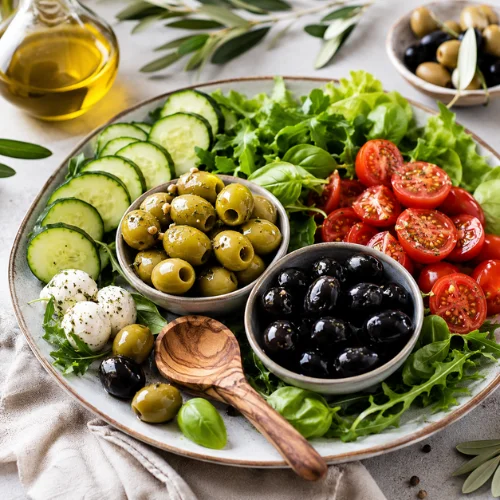
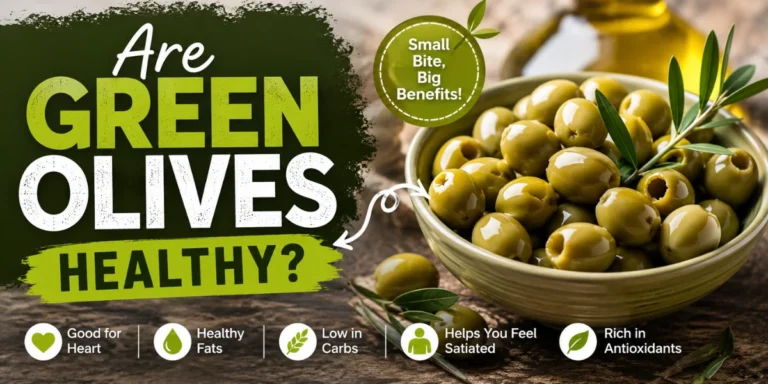
Both green and black olives can fit into a healthy diet. The key is moderation.
Olives provide healthful fats that can help meals feel more filling. A small amount will add flavor and help you feel full.
Olives give a lot of flavor without the sweetness. This is good for salads, wraps, eggs, pasta, or rice bowls if you want additional taste.
Another plus: olives are easy to use. You don’t have to cook them. You can just place them on a platter. This makes them a quick option for busy people.
Some simple benefits:
They add a lot of flavor to simple food.
They have good fats.
They’re often low in sugar.
They can be included in Mediterranean-style dishes.
They can be a snack in modest quantities.
They improve the taste of salads and veggies.
But there’s a flip side. The biggest problem is salt.
If you consume a lot of salty olives, you may be surprised at the amount of sodium you get. This may be a problem if your doctor has recommended that you eat less salt.
So, are olives good for you?
Yes, they can. But they’re not foods to eat without limits. Think of olives as a flavor booster. Use a small handful, not a whole bowl.
The ideal way to enjoy olives is with other healthy foods such as vegetables, beans, fish, eggs, chicken, whole grains, or cheese in small amounts.
Green Olives vs Black Olives: Which is Healthier?
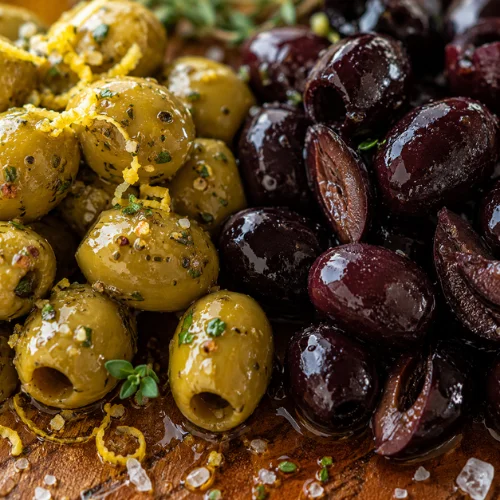
What are the healthiest olives? Green Olives vs Black Olives
The truth is: it depends.
Black olives are not necessarily healthier than green olives. The best olives for your health are often those with lower sodium, simple ingredients, and a portion size you can handle.
If you want to cut down on salt, check the label first. Don’t guess by color. A black olive can be salty. Green olives can be salty, too.
Green olives may be a good option if you want more flavor with fewer pieces. They’re bold-tasting, so you only need a few.
For a mild olive that blends into meals, black olives are better. They work well on pizza, pasta, and sandwiches without overpowering the dish.
Here’s a basic rule:
If you want robust taste, use green olives.
If you want a mild taste, use black olives.
If health is your priority, choose low-sodium olives.
If you eat olives often, pick smaller servings.
So the winner is not color. The winner is the olive that suits your diet and keeps your sodium in check.
Green Olives vs Black Olives Taste

Green olives and black olives taste very different.
Green olives are strongly flavored. They can be salty, sour, pungent, and a little harsh. Some people like that kick. Others find them too overpowering.
Black olives are milder in flavor. They are usually smooth, mellow, and a bit earthy. They are not as bitter as green olives. That’s also why many people who don’t like green olives can still appreciate black ones.
If you are a beginner with olives, go with black olives. Many people find them easy to like.
If you’re already a fan of salty and sour flavors, green olives might be more intriguing.
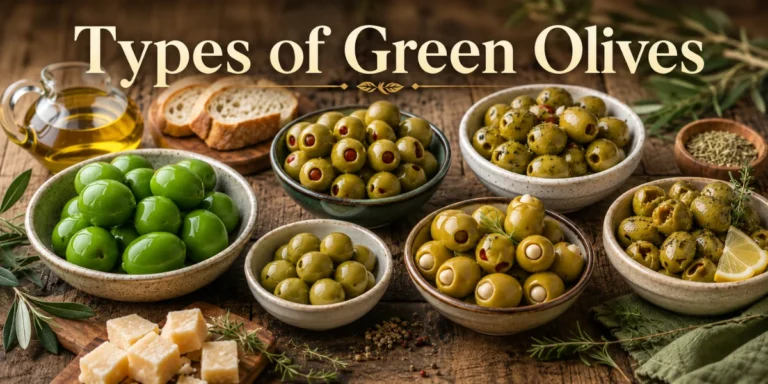
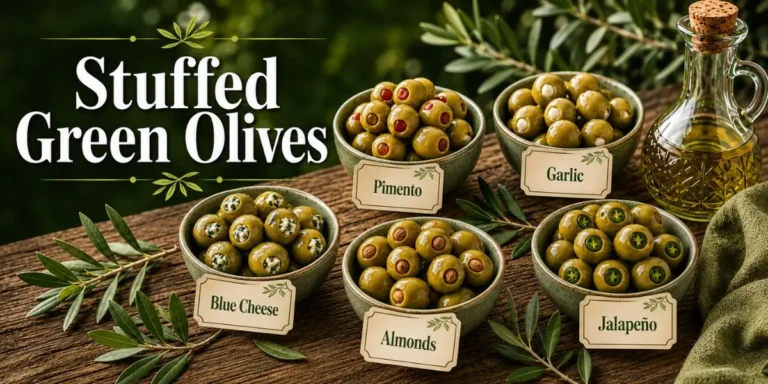
Green olives are often sold stuffed. You can find them filled with garlic, pimento, jalapeño, almonds, or cheese. They have even more taste.
Sliced black olives are often used on pizza and spaghetti. They don’t compete with other flavors. They blend in.
So, for taste:
Green olives are bold.
Black olives are subtle.
Green olives stand out.
Black olives blend in.
What You Do with Green Olives and Black Olives
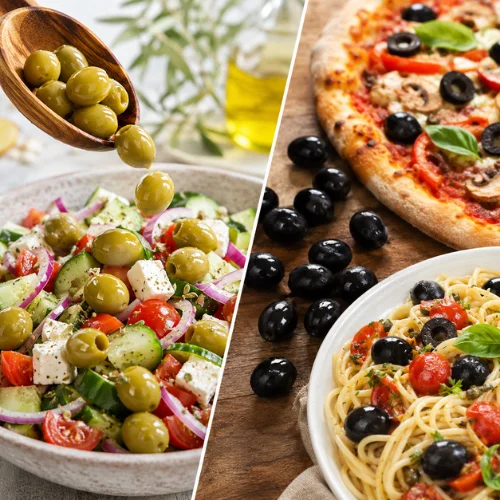
Choosing the right olive can make your dinner taste much better.
If you want a big punch of flavor, choose green olives. They are great in Greek salads, pasta salads, tuna salad, poultry meals, snack boards, and tapenade. They also go well with cheese, almonds, crackers, and roasted veggies.
Green olives are also good if the dinner is a little simple. Chopped green olives can add life to rice, eggs, or a simple salad.
If you like a milder flavor, use black olives. They work well on pizza, tacos, nachos, sandwiches, wraps, pasta, and garden salads. Kids and fussy eaters can appreciate black olives because they’re less sharp.
Here are a few simple ideas between Green Olives vs Black Olives
Cucumber tomato salad with green olives.
Add black olives to pizza or spaghetti.
Use sliced green olives for tuna salad.
Put black olives on a wrap.
Serve green olives with cheese and crackers.
If you want a moderate topping, use black olives.
If you’re entertaining, black olives are the safest bet. If you are cooking a bold dish, you may want green olives.
Black Olives vs Green Olives, and Kalamata Olives
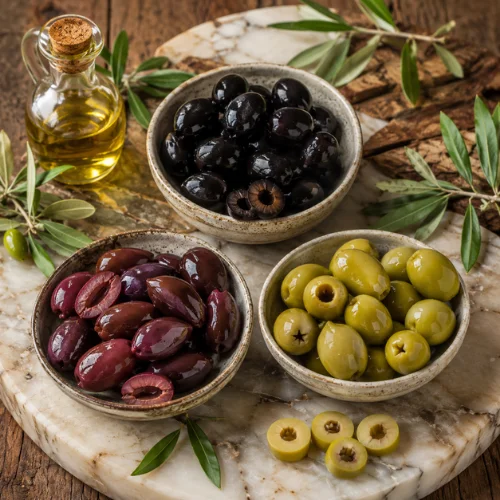
Many people think that all black olives are the same as Kalamata olives. They’re not exactly the same.
Kalamata olives are brown or dark purple. They have a rich, robust, and delicious taste. Often used in Greek salads and other Mediterranean meals.
Usually milder are standard canned black olives. They are soft and plain. These are good if you don’t want much olive flavor.
The three olives, green is the strongest. They are salty, sour, and solid.
Here’s the simple distinction: Between Green Olives vs Black Olives
Green olives are sharp and crisp.
Black olives are delicate and mild .
Kalamata olives are robust and flavorful.
Kalamata olives are the best for Greek salad and a terrific pick. If you want olives for pizza, black olives are standard. Green olives are wonderful if you’re looking for a salty snack or a bold flavor.
So if you are comparing Kalamata olives with black olives, remember this: Kalamata olives have more character. Black olives are milder.
Are Green Olives and Canned Black Olives Healthy?
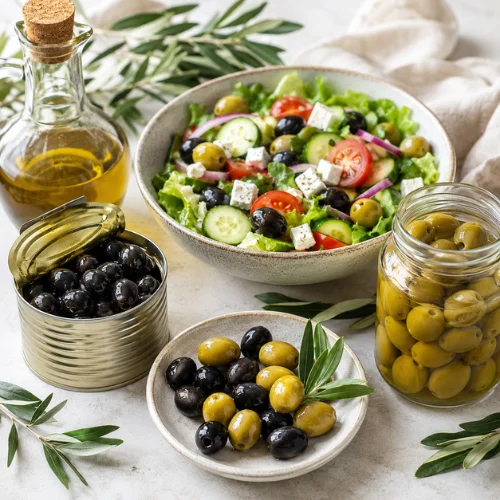
Canned olives might be good for you in small quantities. But they can be rich in salt.
This doesn’t imply you need to avoid them. You have to be smart with these guys.
- Read the label before purchase. Check the portion size and the salt. Use fewer olives if sodium is excessive. You can also wash them before you put them in food.
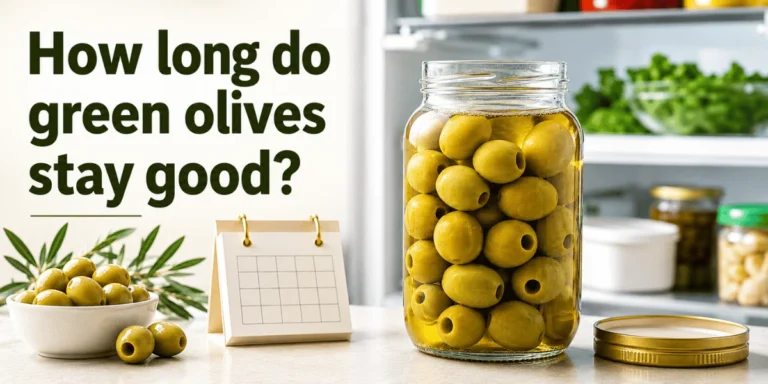
Canned black olives are inexpensive and convenient. It’s also easy to keep jarred green olives in the fridge. Both can help you add flavor swiftly.
The trouble begins when you consume too much directly from the can or jar.
A better technique is to use olives as a topping, not as the main dish.
Final Judgement

Green olives vs black olives is not a question of one being excellent and the other bad. Both can be helpful. Both can be delicious. Both can be healthy options for dinner.
For a robust, salty, sour taste, choose green olives. For a light, smooth, simple flavor, choose black olives. If you are after something rich and robust, go for the Kalamata olives.
The best choice is easy when it comes to health: check sodium, eat a small quantity, and choose olives with simple ingredients.
At the end of the day, the best olive is the one that fixes your problem. Want strong flavor? Go green. Want something gentle on top? Go black. Need a Greek salad superstar? Kalamata, Go
Frequently Asked Questions